Why Adult Beginner Soccer Players Should Drill First Touch Before Anything Else
Adult beginners picking up soccer often chase speed and fitness first, assuming the ball skills will follow naturally, when the actual skill that determines how good or frustrating every touch of the game feels is something much smaller and much more trainable: a clean first touch.
Why a Clean First Touch Determines the Pace of Everything After It
The chain reaction: the a-bad-first-touch-pushes-the-ball-too-far-from-the-body (the ball bouncing away from control immediately eating up the time and space a player has to do anything useful with it — the bad-touch-pushes-ball-away), the the-every-following-action-has-to-react-to-that-lost-control-rather-than-execute-a-plan (the a player forced to chase and recover rather than choose a pass or move deliberately — the reactive-not-deliberate-play), the the-a-clean-first-touch-buys-time-and-options-for-the-very-next-decision (the ball staying close and controlled creating room to actually see and choose the best next action — the clean-touch-buys-time-and-options), and the reframe (speed and fitness mattering far less than the very first thing that happens the instant the ball arrives, since a bad touch undoes any speed advantage immediately).
The Specific Simple Drill That Builds It Fastest
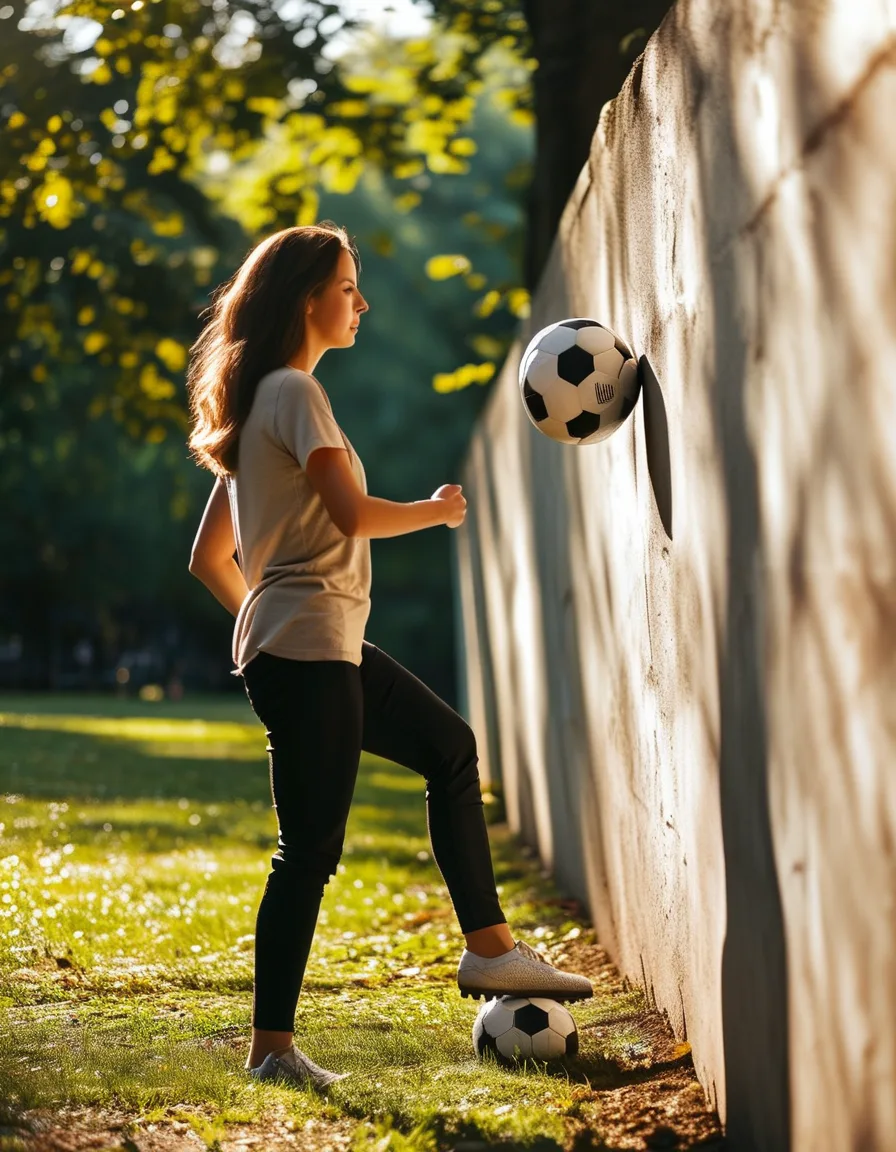
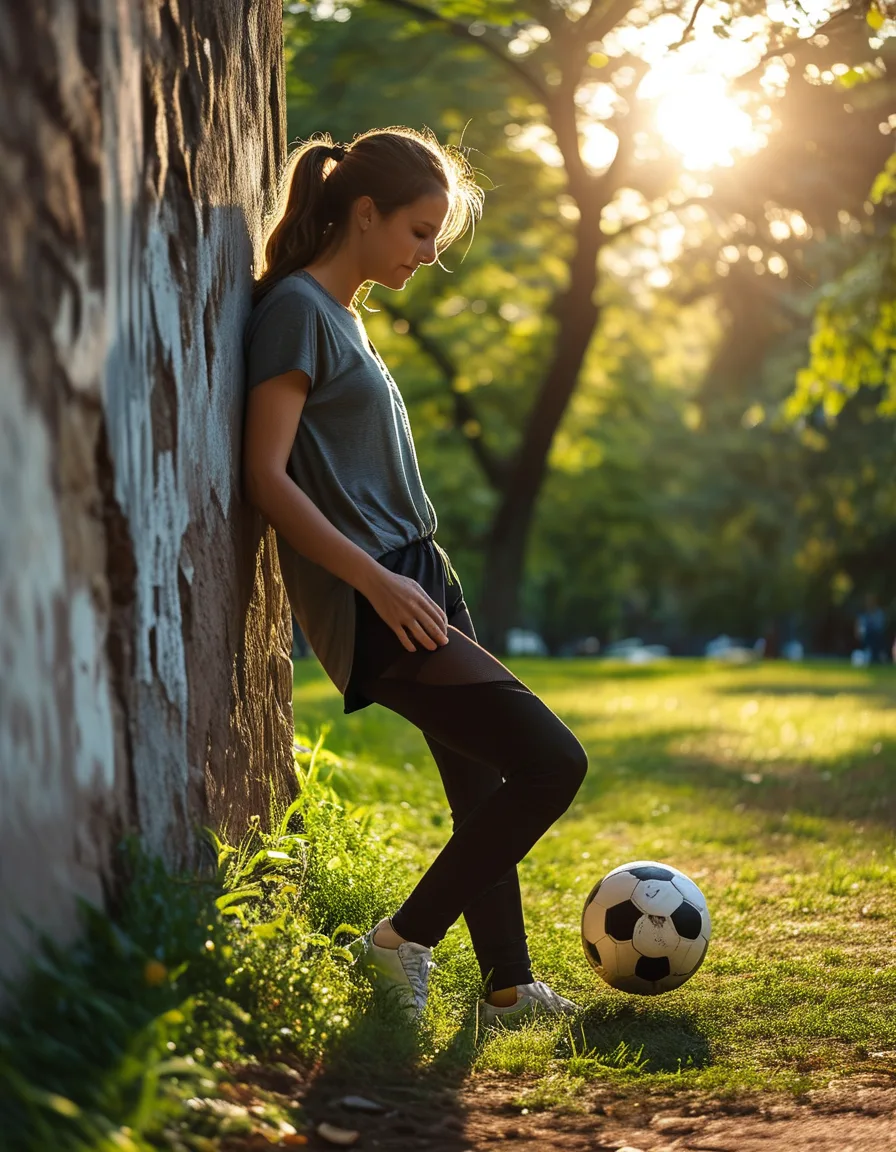
The actual drill: the wall-passing-with-a-single-touch-cushion-before-the-return-pass (the receiving a pass off a wall, cushioning it with one controlled touch, then passing back — the wall-pass-cushion-and-return), the the-alternate-which-foot-receives-the-touch-every-few-reps (the training both feet rather than only the dominant one, since games demand both — the alternate-feet-every-few-reps), the the-gradually-increase-the-pace-of-the-passes-once-the-touch-feels-consistent (the raising difficulty only after the basic cushioning motion is reliable, not before — the increase-pace-after-consistency), and the frame (wall passing with a single cushioning touch, alternating feet, and increasing pace only once consistent — a drill that needs nothing more than a wall and a ball).
How to Practice It Alone Without Needing a Full Pitch or a Training Partner
The solo practice setup: the any-flat-wall-and-a-few-square-feet-of-space-is-enough (the drill requiring almost no equipment or space compared to most soccer training — the minimal-space-and-equipment-needed), the the-set-a-simple-rep-count-goal-rather-than-a-time-goal (the a fixed number of clean touches being easier to track and improve against than an open-ended time block — the rep-count-goal-not-time), the the-film-a-short-clip-occasionally-to-check-touch-quality-objectively (the a phone video revealing touch quality more honestly than it feels in the moment — the film-to-check-objectively), and the frame (a wall, a rep-count goal, and an occasional phone video being everything needed to build first touch alone, no pitch or partner required).
Adult beginners often prioritize speed and fitness, assuming soccer skill will follow, but a bad first touch pushes the ball away from control and forces every following action to react rather than execute a plan, while a clean touch buys the time and options that any speed advantage can’t replace on its own. The single drill that builds it fastest is wall passing with one cushioning touch before the return pass, alternating which foot receives it every few reps, and only increasing pace once that cushioning motion feels consistent. It needs almost nothing to practice alone: any flat wall and a few square feet of space, a simple rep-count goal rather than an open-ended time block, and an occasional phone video to check touch quality more honestly than it feels in the moment.
Keep Reading
This article is for general informational and styling purposes only. Fit, sizing, and product availability may vary.