Solo Soccer Practice: The Ball-Work Sessions That Build Touch Without a Team
Quick Answer: Two 20-minute solo sessions a week — wall passing, cone dribbling with turns, and first-touch/juggling work — deliver hundreds of touches a single match never will. Do every drill with both feet; your weak foot is the fastest improvement available to any rec player.
The touch that looks like natural talent is mostly just reps — thousands of them. The rec player who puts in twenty solo minutes twice a week shows up to Sunday’s match visibly sharper while everyone else on the roster plateaus. You don’t need a team, a coach, or a training partner to build that touch. You need a wall, a ball, and twenty minutes.
Why Does Solo Practice Actually Work Better Than Just Playing More Matches?
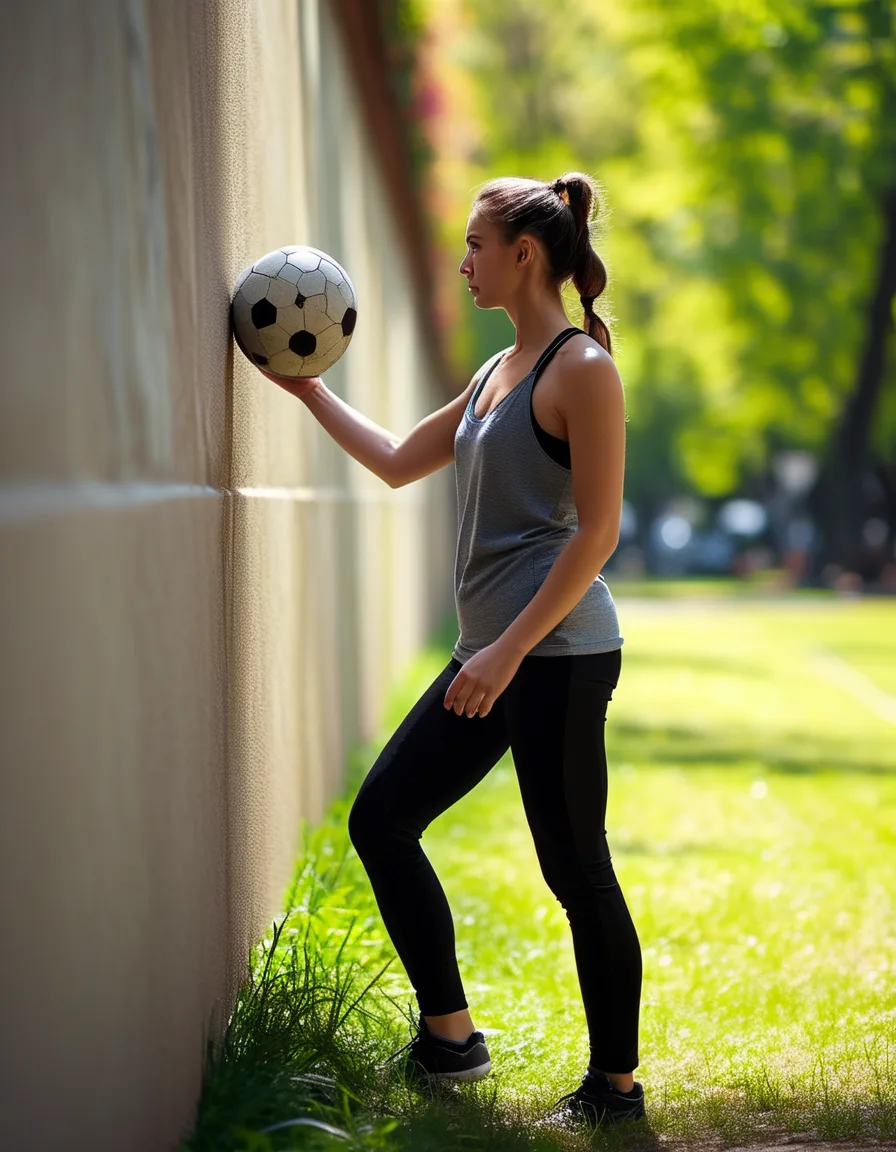
The arithmetic is the whole argument. A single solo session delivers hundreds of touches on the ball. A full match, by comparison, gives you a few dozen at best — most of a game is spent running, positioning, and waiting for the ball to arrive. Skill lives in reps, and reps are exactly what a match doesn’t give you enough of.
A wall is the perfect training partner. It returns every pass instantly, never gets tired, never shows up late, and never judges you for a bad touch. It’s arguably the sport’s oldest coach, and it’s free.
You get to make mistakes without an audience. The awkward, fumbling phase every new skill goes through — especially anything with your weak foot — happens in private. Nobody’s watching you shank a pass into the fence, which means you actually stick with it long enough to improve.
The equipment bar is almost embarrassingly low. A ball, a wall, and two cones is the complete gym. A park, a garage door, or an empty schoolyard corner is all the space you need.
It transfers to matches fast. Solo touch work shows up in games within a few weeks — that first-touch confidence changes how the whole game feels. The ball starts arriving like a friend instead of a grenade you need to defuse.
What Should a Solo Practice Session Actually Look Like?
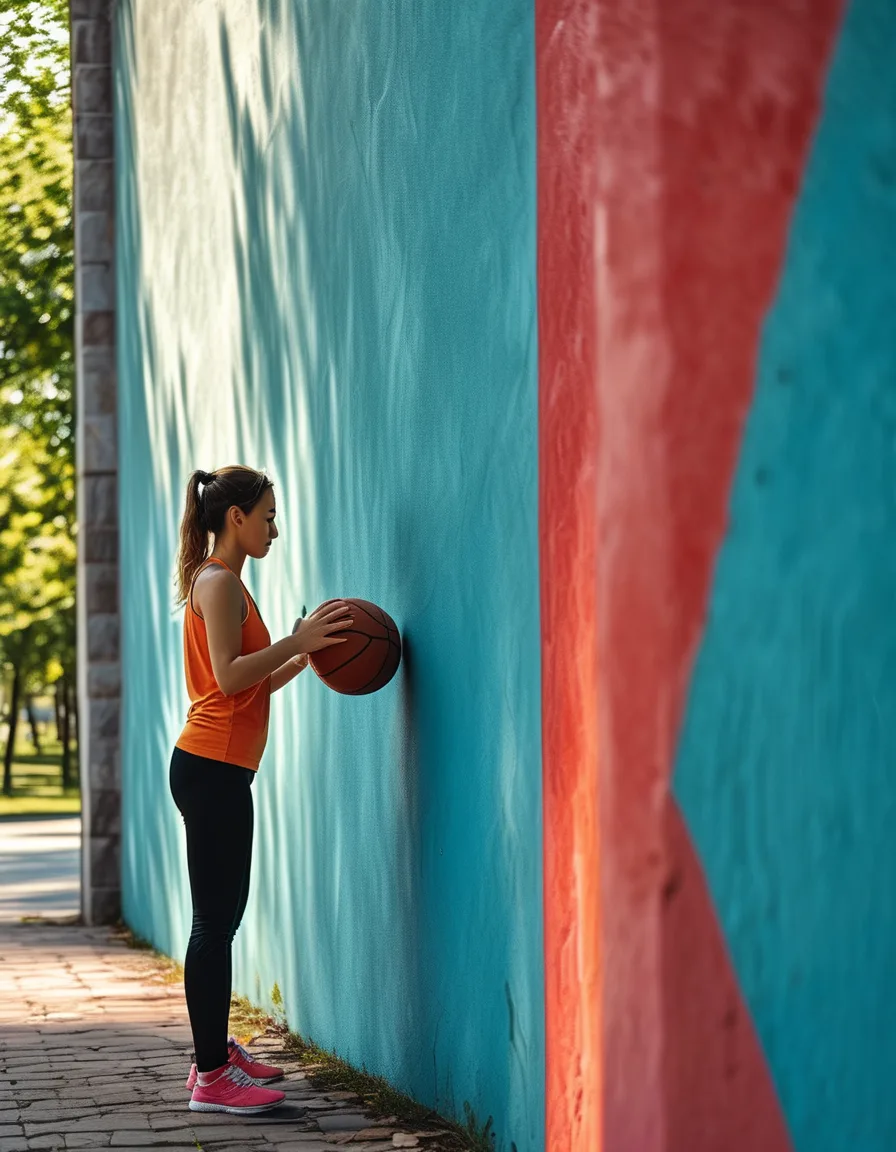
Three 20-minute sessions cover everything worth training alone:
Session 1 — Wall-work touch builder Two-touch passing rounds against the wall to build receive-and-return rhythm, progressing to one-touch. The non-negotiable rule: alternate feet, so your weak foot gets equal reps, not leftover reps. Focus on a cushioned first touch — killing the ball dead before you send it back, not just blocking it.
Session 2 — Dribbling-and-turns circuit Cone slalom at increasing speed for close-control weaves, plus a turn library: the pull-back, the inside-cut, and the outside chop, each practiced on both feet. Add a head-up progression — dribbling with your eyes scanning up, not glued to the ball.
Session 3 — First-touch and juggling Self-toss receiving drills using thigh, chest, and foot cushioning from different angles. Build a juggling ladder and chase your own record — it gamifies the boring part. Practice directing your first touch into space, not just controlling it dead — that’s the touch that actually shows up in match situations.
The finishing garnish, where space allows: wall-pass-and-shoot combinations, prioritizing placement over raw power.
How Do You Structure a Week So It Actually Compounds?
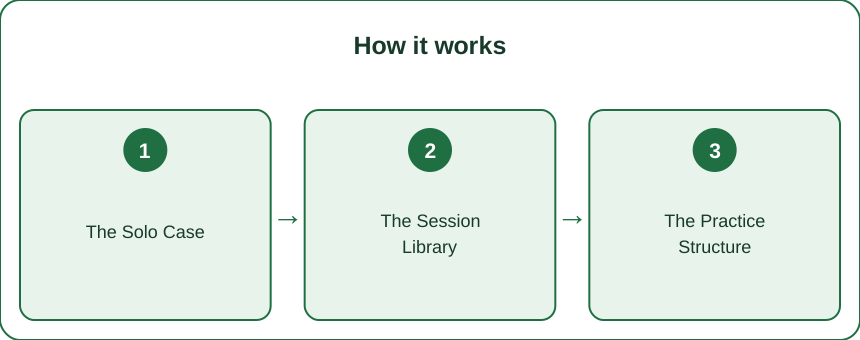
Twice weekly is the floor. Two 20-minute sessions between matches — little and often beats one long marathon session. A lunchtime slot and an evening slot both work; consistency matters more than timing.
Shape each session the same way: a 5-minute juggle warm-up, a 12-minute focus block on that day’s drill, and a 3-minute closer — a record attempt or a personal challenge finish. This structure keeps twenty minutes honest instead of drifting into aimless kicking.
Add speed only after clean. Narrow the cone gaps or vary the wall distance once you’re executing cleanly, not before. One variable at a time.
Honor the weak-foot contract. Every drill, both feet, no exceptions. The weak foot is the single fastest improvement available to any rec-level player — most people see a real difference within about six weeks of consistent both-feet reps.
Track something visible. Your juggling record, your clean-round count on the cone circuit. A monthly phone video of your form also helps — you’ll actually see the improvement you can’t feel week to week.
5 Mistakes Everyone Makes With Solo Practice
- Only using their strong foot. Halves the value of every session.
- Skipping the warm-up juggle. It’s not filler — it primes touch sensitivity for the rest of the session.
- Adding speed too early. Fast and sloppy grooves sloppy, not fast.
- Treating 20 minutes like it needs to be an hour. Consistency beats duration — twice a week at 20 minutes outperforms one exhausting hour-long session.
- Not tracking anything. Without a record to chase, sessions drift into unstructured kicking around.
Mini FAQ
How much solo practice actually moves the needle?
Two 20-minute sessions a week is enough to see visible improvement within about a month — the key is consistency, not marathon sessions.
Do I need a lot of space to practice alone?
No. A wall, a small patch of ground, and two cones cover everything — a garage door or a schoolyard corner works fine.
Why does weak-foot work matter so much?
Most rec players never train their weak foot deliberately, which makes it the single fastest and cheapest improvement available — six weeks of consistent both-feet reps produces a noticeable difference.
TL;DR:
- Solo sessions deliver hundreds of touches; a full match gives you a few dozen
- Three session types cover everything: wall-work touch, dribbling/turns, first-touch/juggling
- Every drill, both feet — the weak foot is the fastest improvement available
- Structure each session: 5-min warm-up, 12-min focus block, 3-min challenge finish
- Two 20-minute sessions a week compounds into touch teammates will notice
Keep Reading
This article is for general informational and styling purposes only. Fit, sizing, and product availability may vary.